








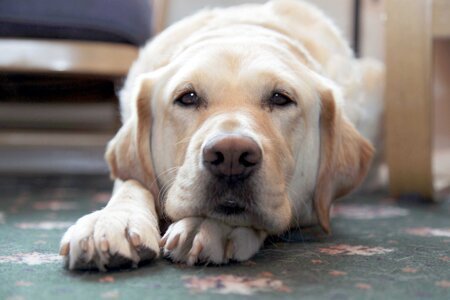
Image credit: guidedogs.org.uk
The Bay Life Interview: This week (September 9) we talked to Diane Breed about the new Guide Dog Training Scheme in Pevensey Bay. Earlier in the week we were contacted with a request for a mention of the scheme with a message to the editor inbox. We started by asking for a reminder to readers about the post.
BAY LIFE: You talked to us earlier in the week briefly about this new fundraising venture. Could you just remind readers about the plan?
DIANE BREED: I am a puppy walker for Guide Dogs living in Pevensey Bay, we are looking for volunteers to help with a new local fundraising group.
BL: People see guide dogs often, less common is to see the training that goes into the venture. How long have you been involved?
DB: We have been involved with guide dogs for about 3 years. We have puppy walked 2 dogs so far, but are taking a break while we get work done in the house
BL: How does it work?
DB: We have the pups from 7 weeks to 14/16 months they then leave us and go on to further training.
BL: Talk us through the basics, Where does it start, what do you do?
DB: They are learning to be well behaved dogs and they are refined from that, they usually come to us about 7 weeks. The starting points are learning “stay”,” sit down” and three whistles to get them to come back. The list of things to do includes training for buses, shops, stairs, crowds and lifts.
BL: Tell us a bit more about your role. Do you get paid, are there ways in which you are developing your role?
DB: It is a nominal fee 60p a day. A supervisor comes to see you about once a month. I am going on a speakers course tomorrow, so that you can talk to groups.
BL: Is this one of the ways that Guide Dogs for the Blind raises awareness about the scheme?
DB: Yes, Guide Dogs for the Blind also give talks to local groups and schools.
BL: How else are you involved in the scheme?
DB: We have been boarding lots of puppies through the summer whilst their puppy walkers are on holiday
BL: It must be an expensive process. How much does it cost to train a guide dog?
DB: Each guide dog costs around £50,000 throughout its life, so Guide Dogs for the Blind needs to keep fundraising all the time especially at a time like this when money is tight for everyone
BL: What specifically do you have in mind for Pevensey Bay with the fundraising?
DB: We are trying to get an Eastbourne/Pevensey Branch of fundraising up and running as there is not one in the area at the moment.
BL: Can you say a bit more about what the branch needs with this? Does volunteering require a major commitment?
DB: Guide Dogs need volunteers to help with this. People can give as much or as little time as they wish.
BL: Do you ever get to meet the people who benefit from the dogs when they are trained, or is that it, once you have undertaken the training for each dog ?
DB: I’ve been in touch via email, with both the pups that we had.
BL: Must be quite hard when you have to say goodbye to a dog you have been training for a year. Silly question, given the way that you have described all the aspects of the scheme, with such obvious motivation, interest and a personal sense of reward, but why do you do it?
DB: It is quite hard to say goodbye but we know that they are going on to help change someone’s life. Everybody is happy to do it because of the love of the dogs—we are all selfish really!!!
Posters about the new scheme are displayed around Pevensey Bay. Interested in fundraising for Guide Dogs? Then your new local fundraising group needs you! For more information about how to get involved contact
A possible plan being considered by the group is to have meetings at Bayside, the new eaterie in the Bay. The cafe is already home to an artist in residence, a history group and a writers workshop group. All groups utilising the cafe post information about their meetings on the Bayside web platform here.